
Apixaban for Blood Clots: Uses & Dosage
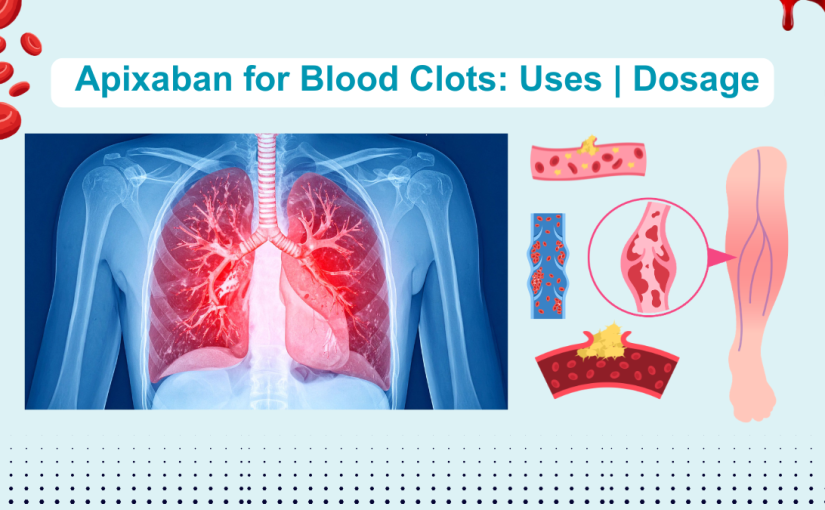
Blood clots can be serious and may lead to life-threatening conditions such as deep vein thrombosis or pulmonary embolism if not treated on time. Apixaban for Blood Clots is a commonly prescribed medication that helps prevent and treat these conditions by reducing the blood’s ability to clot. It belongs to a class of drugs known as anticoagulants, which work by blocking specific clotting factors in the body.
Doctors often recommend Apixaban for Blood Clots to patients who are at risk due to factors like surgery, prolonged immobility, or certain heart conditions. Compared to traditional blood thinners, apixaban offers the advantage of predictable dosing and does not usually require frequent blood monitoring.
In addition to preventing new clots, this medication also helps stop existing clots from growing larger, allowing the body to break them down gradually. As part of an effective apixaban blood clots treatment plan, it is important to follow the prescribed dosage and medical advice carefully. Understanding how apixaban works, its proper usage, and safety considerations can help patients manage their condition more confidently and reduce the risk of complications associated with blood clots.
What Is Apixaban and How Does It Work for Blood Clots?
Apixaban is an oral anticoagulant (blood thinner) commonly prescribed to prevent and treat blood clots. It is classified as a direct oral anticoagulant (DOAC) and functions by inhibiting factor Xa. Factor Xa is an important enzyme in the blood clotting process that helps generate thrombin, a substance required for clot formation. By blocking factor Xa, apixaban reduces the body’s ability to form harmful clots while still allowing normal healing processes to occur.
Apixaban for Blood Clots is widely used in conditions such as deep vein thrombosis (DVT), pulmonary embolism (PE), and for preventing stroke in patients with atrial fibrillation. Unlike older anticoagulants like warfarin, apixaban has a more predictable effect, which means it usually does not require routine blood tests for dose monitoring. After oral intake, apixaban is rapidly absorbed into the bloodstream and begins working within a few hours. It helps prevent existing clots from getting larger and reduces the risk of new clots forming. This is especially important in patients who have undergone surgery, have limited mobility, or have underlying medical conditions that increase clotting risk.
Another advantage of apixaban is its relatively short half-life, which allows flexibility in managing therapy, especially when procedures or surgeries are planned. However, because it affects clotting, patients must take it exactly as prescribed to maintain the right balance between preventing clots and avoiding excessive bleeding. Overall, apixaban plays a crucial role in modern anticoagulant therapy by offering an effective, convenient, and safer alternative for managing blood clot-related conditions.
Medical Uses of Apixaban for Blood Clots Prevention
Apixaban is widely prescribed as an effective anticoagulant to prevent and manage blood clots across various clinical conditions. Understanding apixaban uses can help patients and caregivers better appreciate its role in preventing serious complications.
One of the primary apixaban uses is the prevention and treatment of deep vein thrombosis (DVT), a condition where blood clots form in deep veins, usually in the legs. If left untreated, these clots can travel to the lungs and cause a pulmonary embolism (PE), which can be life-threatening. Apixaban for blood clots helps reduce this risk by limiting clot formation.
Another important application is in patients with non-valvular atrial fibrillation, where irregular heart rhythms increase the risk of clot formation in the heart. These clots can travel to the brain and cause a stroke. Apixaban significantly lowers this risk by preventing clot development. Apixaban is also commonly used for post-surgical clot prevention, especially after procedures like hip or knee replacement surgeries. During recovery, reduced mobility increases the risk of clot formation, and apixaban helps protect patients during this vulnerable period.
In addition, it plays a role in the long-term prevention of recurrent blood clots in individuals who have already experienced DVT or PE. By continuing therapy as prescribed, patients can reduce the chances of future clot-related complications. Overall, Eliquis (Apixaban) is an essential medication in modern medicine, offering reliable protection against blood clots while providing convenience and effectiveness in long-term management.
Recommended Apixaban Dosage and How to Take It
The apixaban dosage depends on the condition being treated, the patient’s age, kidney function, and overall health. It is important to follow your doctor’s prescription carefully to ensure effective prevention or treatment of blood clots while minimizing the risk of bleeding.
For conditions like deep vein thrombosis (DVT) and pulmonary embolism (PE), treatment usually begins with a higher dose for the first few days, followed by a lower maintenance dose. In patients with atrial fibrillation, apixaban is typically taken in a consistent lower dose to reduce the risk of stroke. For post-surgical prevention (such as after hip or knee replacement), the dose is adjusted to prevent clot formation during recovery.
Apixaban for blood clots is taken orally, usually twice a day, with or without food. It should be taken at the same time each day to maintain steady levels in the bloodstream. Tablets should be swallowed whole, but in some cases, they can be crushed and mixed with water or soft food if swallowing is difficult. If you miss a dose, take it as soon as you remember on the same day, and then continue with your regular schedule. Do not double the dose to make up for a missed one. Stopping apixaban suddenly without medical advice can increase the risk of blood clots, so any changes should only be made under a doctor’s supervision.
Patients should also inform their healthcare provider about other medications they are taking, as certain drugs can interact with apixaban and affect its safety or effectiveness. Regular follow-ups help ensure the dosage remains appropriate over time.
Apixaban Side Effects and Safety Warnings
Like all anticoagulants, apixaban is effective in preventing blood clots but may also carry certain risks. Understanding apixaban side effects can help patients use the medication safely and know when to seek medical attention. The most common apixaban side effects are related to bleeding, as the medicine reduces the blood’s ability to clot. Patients may notice easy bruising, nosebleeds, bleeding gums, or prolonged bleeding from cuts. In some cases, there may be heavier menstrual bleeding or mild gastrointestinal discomfort, such as nausea.
More serious side effects, although less common, require immediate medical care. These include unusual or severe bleeding, blood in urine or stools, coughing or vomiting blood, severe headache, dizziness, or weakness. Such symptoms may indicate internal bleeding, which can be life-threatening if not treated promptly.
Patients should also be cautious if they have kidney or liver disease, as these conditions may affect how the body processes apixaban. Additionally, combining apixaban with other medications like NSAIDs, antiplatelet drugs, or certain herbal supplements can increase the risk of bleeding. It is important not to stop taking apixaban suddenly without medical advice, as this may increase the risk of blood clot formation. Inform your doctor before any surgery or dental procedure, as temporary discontinuation may be required. Overall, while apixaban for blood clots is generally well-tolerated, careful adherence to medical guidance and awareness of warning signs can help ensure safe and effective treatment.
FAQs
What is Apixaban used for?
Apixaban is an anticoagulant (blood thinner) used to prevent and treat blood clots in the body. It is commonly prescribed for conditions like deep vein thrombosis (DVT) and pulmonary embolism (PE). It also helps reduce the risk of stroke in people with atrial fibrillation (an irregular heart rhythm). Additionally, apixaban is used to prevent blood clots after surgeries such as hip or knee replacement. Reducing clot formation helps protect against serious complications.
How should Apixaban be taken for blood clots?
Apixaban should be taken exactly as prescribed by your doctor, usually twice daily at the same time each day. It can be taken with or without food, and tablets should be swallowed whole (or crushed if advised). Do not skip doses, as missing them may increase the risk of blood clots. If you miss a dose, take it later the same day when you remember, but avoid taking two doses at once. Always consult your doctor before stopping the medication to avoid complications.
How long do patients need to take Apixaban for blood clots?
The duration of apixaban treatment for blood clots depends on the patient’s condition and risk factors. In many cases, it is prescribed for at least 3–6 months to treat conditions like deep vein thrombosis (DVT) or pulmonary embolism (PE). Some patients may need long-term or lifelong therapy if they have recurrent clots or ongoing risk factors. For post-surgical prevention, it is usually taken for a shorter period (a few weeks). Always follow your doctor’s advice for the exact duration of treatment.
What are the common side effects of Apixaban?
Common side effects of apixaban are mostly related to bleeding, as it is a blood thinner. These include easy bruising, nosebleeds, bleeding gums, and prolonged bleeding from cuts. Some people may also experience heavier menstrual bleeding or mild nausea. In rare cases, there can be more serious bleeding, such as blood in the urine or stools. If you notice unusual or persistent bleeding, it is important to contact your doctor promptly.
Can Apixaban dissolve existing blood clots?
Apixaban does not directly dissolve existing blood clots. Instead, it works by preventing the blood from forming new clots and stopping existing clots from getting larger. Over time, the body’s natural processes can gradually break down the clot while the medication helps reduce the risk of further clot formation.
References
https://labeling.pfizer.com/ShowLabeling.aspx?id=14028
https://www.ncbi.nlm.nih.gov/books/NBK507910/
https://www.ema.europa.eu/en/documents/product-information/eliquis-epar-product-information_en.pdf