
Understanding Hantavirus: Symptoms, Risks, & Prevention Tips
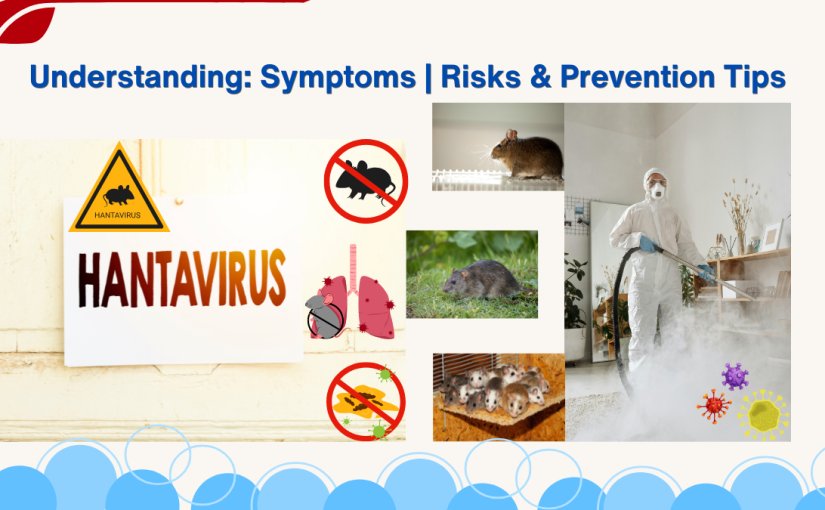
Hantavirus is a rare but potentially serious viral infection that has gained attention due to its severe impact on the lungs and overall health. Although cases are uncommon, the disease can become life-threatening if not recognized and treated early.
Hantaviruses belong to a family of viruses carried mainly by rodents. People may contract the infection after exposure to the urine, feces, or saliva of rodents carrying the virus. Since the infection often begins with flu-like symptoms, many people may initially mistake it for a common viral illness. However, the condition can rapidly worsen and lead to severe respiratory complications.
This blog explores what hantavirus is, how the virus spreads, common symptoms, risk factors, and practical prevention strategies to reduce exposure.
What Is Hantavirus and How Does It Spread?
Hantavirus refers to a group of viruses primarily transmitted by rodents. Different species of rodents carry different strains of the virus, and the infection can affect humans when viral particles become airborne or enter the body through direct contact. In North and South America, hantavirus is most commonly associated with Hantavirus Pulmonary Syndrome (HPS), a severe respiratory disease. In some parts of Europe and Asia, hantavirus infections may lead to Hemorrhagic Fever with Renal Syndrome (HFRS), which mainly affects the kidneys.
The virus does not usually spread from casual human-to-human contact in most regions. Instead, rodents act as the main carriers. Deer mice, cotton rats, rice rats, and white-footed mice are among the rodents commonly associated with virus transmission.
Inhalation of Contaminated Air
The most common route of transmission occurs when people breathe in air contaminated with virus particles from rodent urine, saliva, or droppings. This often happens while cleaning enclosed spaces such as sheds, attics, garages, barns, cabins, or storage rooms that have been unused for a long time.
Sweeping or vacuuming contaminated material can release viral particles into the air, increasing the risk of infection.
Direct Contact With Rodent Waste
Touching surfaces contaminated with rodent urine or droppings and then touching the mouth, nose, or eyes can also transmit the virus. Even small amounts of contaminated material may pose a risk if hygiene practices are poor.
Rodent Bites
In rare situations, a bite from an infected rodent may also transmit hantavirus. Individuals handling wild rodents without protection are at greater risk.
Contaminated Food or Water
Food or water exposed to infected rodents may carry the virus. Improper food storage in rodent-prone areas can increase exposure.
Many people are unaware that seemingly harmless activities such as opening an abandoned cabin, cleaning a dusty basement, or working in poorly maintained agricultural buildings may increase the risk of virus infection. Rodent infestations often go unnoticed until droppings or nests become visible.
Common Hantavirus Symptoms and Warning Signs
One of the challenges with hantavirus infection is that the early stages of illness often resemble those of common viral infections such as influenza. Because symptoms can initially appear mild, people may delay seeking medical attention.
Recognizing the early signs of hantavirus is crucial because the disease can progress rapidly and lead to severe complications, particularly affecting the lungs.
Early Symptoms of Hantavirus
The first symptoms generally develop one to eight weeks after exposure to infected rodents. Early symptoms may include:
- Fever
- Chills
- Fatigue
- Pain and soreness in the muscles are commonly felt in areas such as the thighs, hips, back, and shoulders.
- Headache
- Dizziness
- Nausea or vomiting
- Abdominal pain
Progressive Respiratory Symptoms
As the infection advances, symptoms can worsen dramatically. Fluid may accumulate in the lungs, making breathing increasingly difficult. This phase is considered a medical emergency.
Serious respiratory symptoms include:
- Shortness of breath
- Rapid breathing
- Persistent coughing
- Chest tightness
- Difficulty breathing
- Low blood pressure
Many patients say it feels like intense pressure on the chest or as though they cannot breathe deeply enough.
Complications Associated With Hantavirus
The most serious complication is Hantavirus Pulmonary Syndrome, which can cause severe respiratory distress. In some cases, patients may develop shock or organ dysfunction.
Although hantavirus infections are relatively rare, they carry a significant mortality risk. This is why awareness about the early signs of hantavirus and rapid medical intervention is essential.
Who Is Most at Risk of Hantavirus Infection?
Rural Residents
People living in rural or semi-rural areas are often closer to rodent habitats. Farms, barns, sheds, grain storage areas, and woodpiles may attract rodents searching for food and shelter.
Homes located near fields or forests may also experience increased rodent activity during colder seasons when mice seek indoor warmth.
Agricultural and Outdoor Workers
Farmers, construction workers, forestry workers, pest control personnel, and utility workers frequently encounter rodent-infested environments. Cleaning storage areas or working in enclosed buildings can expose them to airborne viral particles.
Outdoor occupations often involve activities that disturb dust contaminated with rodent waste, increasing the likelihood of inhalation exposure.
Campers and Hikers
People engaging in outdoor recreational activities may unknowingly sleep or eat in areas contaminated by rodents. Cabins, tents, and campsites with poor sanitation can pose risks.
Campers storing food improperly may attract rodents, increasing exposure chances.
People Cleaning Vacant Buildings
Individuals cleaning abandoned homes, old garages, attics, or storage spaces are particularly vulnerable. Dust accumulation combined with rodent droppings creates an environment where viral particles can easily become airborne.
Improper cleaning techniques, such as dry sweeping or vacuuming, may significantly raise hantavirus infection risks.
Individuals Living in Rodent-Infested Homes
Persistent rodent infestations inside homes increase the possibility of long-term exposure. Children and elderly individuals living in such environments may face additional health concerns due to weaker immunity or underlying illnesses.
Immunocompromised Individuals
Although anyone can develop severe illness, people with weakened immune systems or chronic respiratory conditions may experience more complications.
Public health awareness campaigns often focus on educating high-risk populations about safe cleaning practices and effective hantavirus prevention tips. Early recognition of rodent activity and prompt action can significantly reduce exposure.
Prevention Tips to Reduce Hantavirus Exposure
Preventing hantavirus infection mainly involves minimizing contact with rodents and contaminated materials. Since there is no widely available specific antiviral cure or vaccine for most hantavirus infections, prevention remains the best defense.
Following proper hantavirus prevention tips can greatly reduce the risk of infection in homes, workplaces, and outdoor settings.
Control Rodent Infestations
The first step in prevention is reducing rodent access to living and working spaces.
Important measures include:
- Seal holes and cracks in walls, doors, windows, and foundations.
- Store food in tightly sealed containers.
- Keep garbage covered and dispose of waste regularly.
- Remove clutter that may serve as nesting areas.
- Maintain clean kitchens and dining areas.
Traps may help reduce rodent populations inside buildings. Ongoing rodent problems may need treatment from experienced pest management professionals.
Practice Safe Cleaning Methods
Cleaning rodent-contaminated areas safely is critical.
Avoid sweeping or vacuuming dry droppings because this can release infectious particles into the air.
Instead:
- Ventilate the area by opening windows and doors for at least 30 minutes.
- Wear gloves and, if necessary, a protective mask.
- Spray droppings or nests with disinfectant or a bleach solution.
- Allow the disinfectant to soak for several minutes.
- Use paper towels to carefully remove contaminated materials.
- Dispose of waste in sealed plastic bags.
- Wash your hands thoroughly after cleaning.
These simple hantavirus prevention tips are highly effective in reducing airborne exposure.
Protect Food and Water Sources
Food contamination is another concern in rodent-prone environments.
To stay protected:
- Store grains, cereals, and pet food in rodent-proof containers.
- Clean spills promptly.
- Avoid leaving food exposed overnight.
- Ensure drinking water sources remain protected.
During camping trips, keep food sealed and away from sleeping areas.
Take Precautions During Outdoor Activities
Campers and hikers should inspect cabins or campsites for signs of rodent activity before use.
Avoid sleeping directly on bare ground and dispose of garbage properly.
Portable food containers and regular campsite cleaning can help minimize rodent attraction.
Use Protective Equipment
People working in high-risk occupations should use personal protective equipment when cleaning or entering rodent-infested areas.
Gloves, masks, and eye protection may help lower exposure risks, especially in enclosed spaces with heavy contamination.
Educate Communities About Rodent Safety
Community awareness programs can improve understanding of how hantavirus spreads and encourage early reporting of rodent infestations.
Schools, workplaces, and healthcare providers can play an important role in educating people about symptoms, exposure risks, and safe prevention practices.
Monitor Rodent Activity
Regular inspection of homes, storage units, and workplaces can help identify rodent infestations early.
Look for:
- Droppings
- Gnaw marks
- Nesting materials
- Strange odors
- Scratching sounds in walls or ceilings
Prompt action at the first sign of infestation can prevent larger outbreaks.
Final Thoughts
Hantavirus may be rare, but its potential severity makes awareness and prevention extremely important. Since the virus is primarily spread through contact with infected rodents or contaminated environments, understanding how hantavirus spreads can help individuals reduce exposure and protect their health.
Recognizing the early signs of hantavirus, including fever, fatigue, muscle aches, and breathing difficulties, is essential for timely medical intervention.
The good news is that practical preventive measures can significantly lower hantavirus infection risks. Proper sanitation, rodent control, safe cleaning techniques, and public awareness are key components of prevention.
Some hantavirus symptoms may initially resemble seasonal flu, COVID-19, or allergy-related respiratory discomfort.
FAQs:
Can hantavirus spread from person to person?
Generally, hantavirus infections are not transmitted between people. The infection is usually transmitted through contact with infected rodent urine, droppings, saliva, or contaminated dust particles in the air.
What are the early symptoms of hantavirus?
The early symptoms of hantavirus often resemble the flu and may include fever, fatigue, muscle aches, headache, nausea, and chills. As the infection progresses, breathing difficulties and chest tightness may develop.
How can I prevent hantavirus infection at home?
You can reduce the risk of hantavirus by controlling rodent infestations, sealing entry points, storing food properly, and cleaning contaminated areas safely using disinfectants instead of dry sweeping or vacuuming.
Is there a cure for hantavirus?
There is no specific cure or antiviral treatment for hantavirus, but early medical care and supportive treatment can improve recovery chances. Patients with serious symptoms may need hospital care along with breathing assistance.
References:
https://pmc.ncbi.nlm.nih.gov/articles/PMC2880890/
https://en.wikipedia.org/wiki/Orthohantavirus%20%0d3
https://www.who.int/news-room/fact-sheets/detail/hantavirus%20%0d4